Security System Types Compared
Home security systems in the UK broadly fall into three categories: wired, wireless, and hybrid. Each approach has distinct advantages depending on your property type, whether you own or rent, and how much disruption you are willing to accept during installation. Understanding these differences is the first step toward making an informed choice.
Wired systems have been the industry standard for decades. They use physical cables to connect sensors, cameras, and the control panel, which means the signal cannot be jammed or interfered with. However, installation is more invasive and typically requires professional fitting, which adds to the overall cost. Wireless systems, on the other hand, communicate via radio frequency or Wi-Fi, making them far easier to install and ideal for renters or those who want a system they can take with them when they move. Hybrid systems combine elements of both, using a wired backbone for critical components while adding wireless peripherals for flexibility.
| Feature | Wired Systems | Wireless Systems | Hybrid Systems |
|---|---|---|---|
| Installation | Professional required; cables routed through walls | DIY-friendly; most kits set up in under 2 hours | Professional recommended; mix of wired and wireless |
| Reliability | Very high — no signal interference | High — dependent on Wi-Fi stability | Very high — wired core with wireless expansion |
| Cost Range | £800 – £2,500 installed | £150 – £800 (DIY) or £400 – £1,200 (fitted) | £1,000 – £3,000 installed |
| Best For | Large detached homes; permanent installations | Flats, terraced houses, renters, quick setup | Semi-detached and larger properties wanting flexibility |
| Expandability | Limited — adding devices requires new cabling | Easy — add sensors or cameras at any time | Excellent — add wireless devices to wired core |
| Power Outage Behaviour | Continues on battery backup (4–24 hrs typical) | Battery-powered devices continue; hub needs backup | Battery backup for core; wireless devices independent |
| Pros | Rock-solid connection; no battery replacements; proven technology | Fast install; portable; lower upfront cost; smartphone control | Best of both worlds; future-proof; highly customisable |
| Cons | Disruptive installation; difficult to relocate; higher upfront cost | Vulnerable to Wi-Fi issues; batteries need replacing; potential signal jamming | Most expensive option; still needs professional fitting for wired elements |
For most UK homeowners living in semi-detached or terraced properties, a wireless or hybrid system offers the best combination of performance, convenience, and value. If you live in a large detached house and plan to stay long-term, a fully wired installation provides the highest level of reliability and is often preferred by insurance companies.
CCTV Camera Comparison
Cameras are the centrepiece of any modern home security setup. The type of camera you choose affects image quality, storage options, installation complexity, and ongoing costs. Below we compare the three most common approaches available to UK homeowners in 2026.
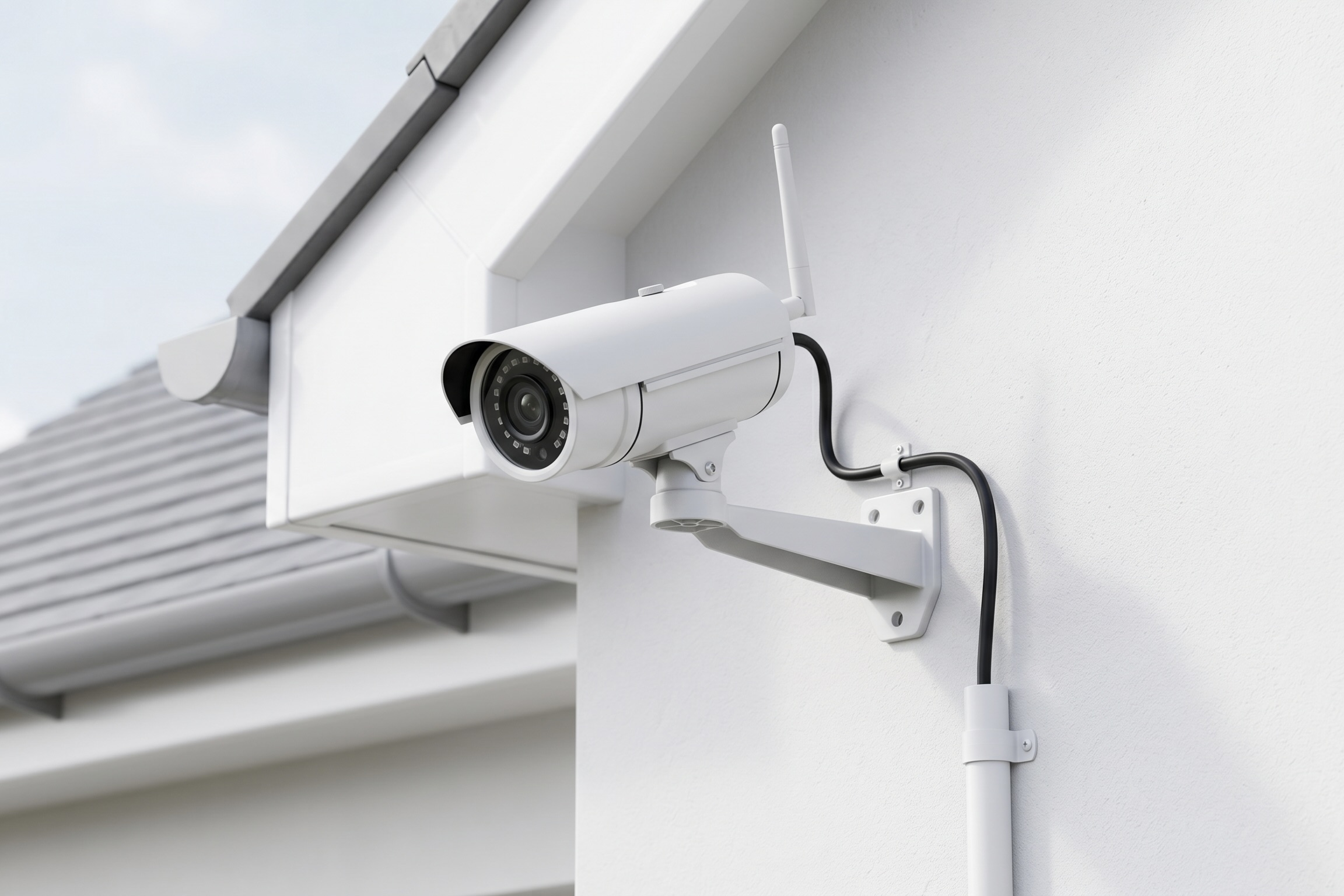
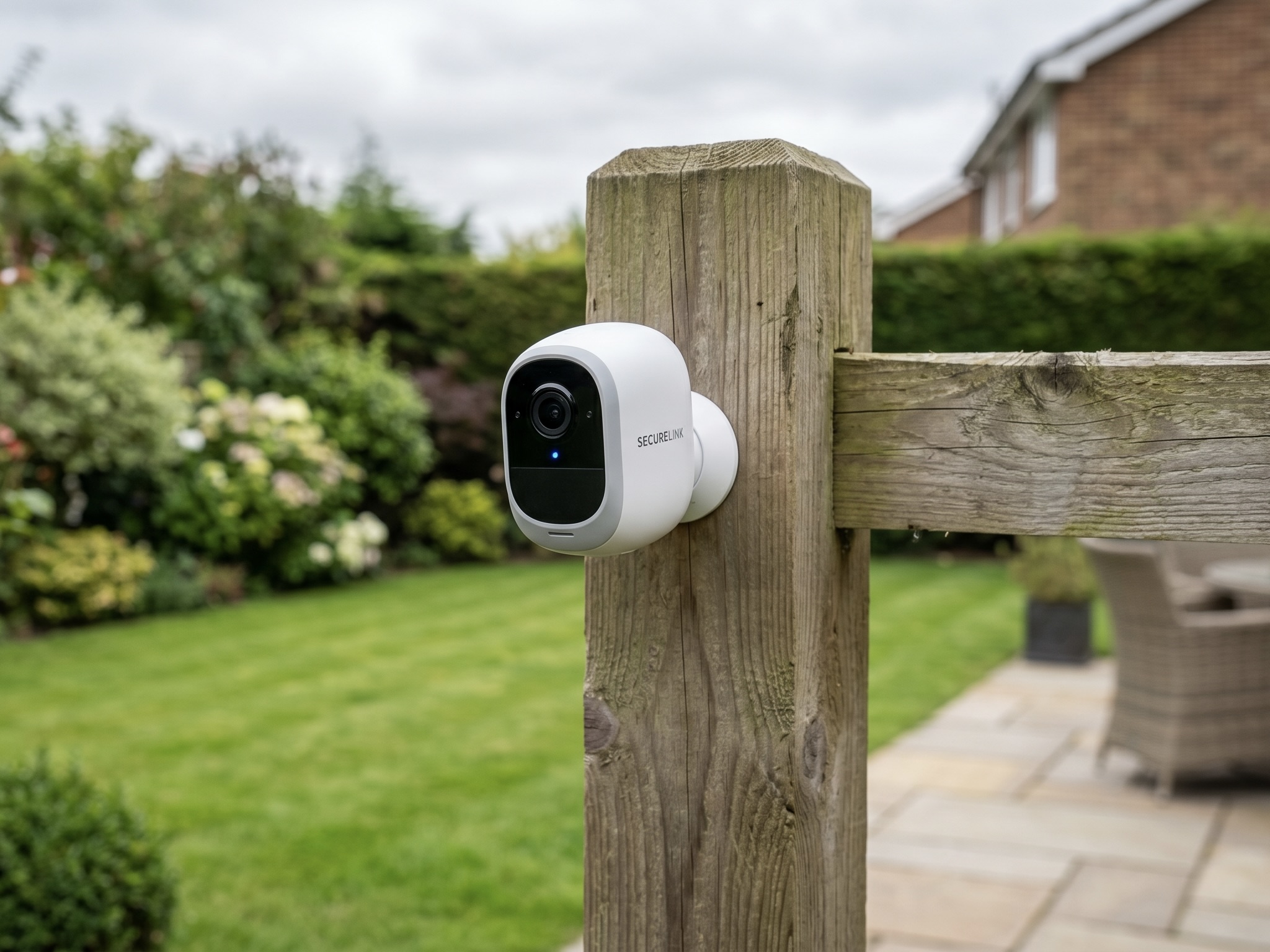
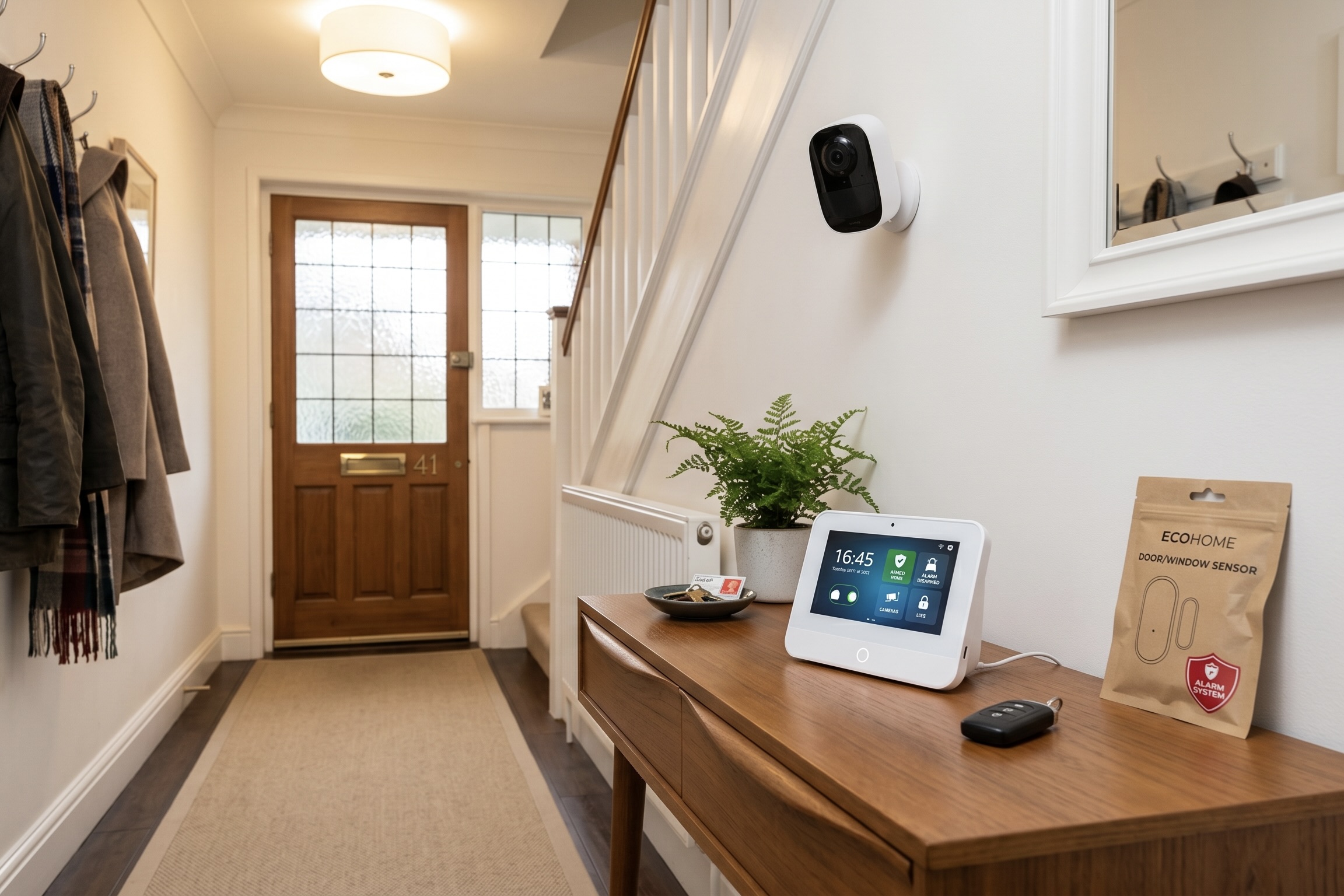
Wired CCTV remains the gold standard for image quality and reliability. These cameras connect via coaxial or Ethernet cables to a dedicated DVR or NVR recorder, storing footage locally. They are ideal for homeowners who want continuous recording without relying on cloud subscriptions. The trade-off is a more involved installation process that typically requires drilling and cable routing.
Wireless cameras have improved dramatically in recent years. Battery-powered models can be placed virtually anywhere without cabling, and most offer 1080p or 4K resolution with night vision, two-way audio, and AI-powered person detection. Many popular brands offer free limited cloud storage or optional subscription plans for extended recording history. The main consideration is Wi-Fi range: cameras placed far from the router may experience connection dropouts.
Hybrid and smart camera systems combine wired reliability for primary coverage areas (front door, rear garden) with wireless cameras for supplementary angles (side gates, garage, internal rooms). This approach lets you prioritise budget and quality where it matters most while maintaining broad coverage across the property.
Monitoring Options
Once your cameras and sensors are in place, the next decision is how you want to monitor them. The three main options each carry different cost implications, response times, and levels of involvement on your part.
| Feature | Self-Monitored | Professional 24/7 | Smart Hub Only |
|---|---|---|---|
| Monthly Cost | £0 – £10 (app/cloud fees) | £20 – £50 | £0 (no subscription) |
| Response Time | Depends on you checking alerts | Under 60 seconds to operator contact | Automated alerts only; no human response |
| Police Dispatch | You call 999 yourself | Monitoring centre contacts police on your behalf | You call 999 yourself |
| App Alerts | Yes — push notifications to smartphone | Yes — plus operator follow-up | Yes — basic motion and door/window alerts |
| Insurance | Varies by insurer | May be considered by some insurers | Varies by insurer |
| Best For | Budget-conscious homeowners; tech-savvy users | Families; frequent travellers; high-value properties | Basic deterrent; supplementary to neighbourhood watch |
Some insurers may consider professionally monitored alarms when calculating premiums. Availability and discount levels vary by insurer and policy. Always confirm directly with your insurer.
Professional monitoring is worth serious consideration if your property is unoccupied for extended periods or if you live in an area with higher-than-average burglary rates.
Budget Breakdown by Package
To help you plan your investment, we have outlined three typical packages based on the configurations most commonly installed in UK homes. These figures include equipment, professional installation, and the first year of any monitoring fees where applicable.
| Package | Basic | Standard | Premium |
|---|---|---|---|
| Cameras | 2 outdoor wireless | 4 outdoor (2 wired, 2 wireless) + 1 indoor | 6 outdoor HD + 2 indoor + video doorbell |
| Sensors | 2 door/window + 1 motion | 4 door/window + 2 motion + glass break | 8 door/window + 4 motion + glass break + smoke |
| Smart Lock | Not included | 1 smart lock (front door) | 2 smart locks (front and rear) + smart doorbell |
| Monitoring | Self-monitored (app only) | Professional 24/7 monitoring | Professional 24/7 + keyholder response |
| Price Range | £300 – £600 | £1,200 – £2,000 | £2,500 – £5,000+ |
Battery Backup & Smart Integration
A security system is only as reliable as its power source. During a power cut or if an intruder deliberately cuts mains electricity, battery backup ensures your alarms, cameras, and sensors continue operating. Most professionally installed systems include a built-in backup battery that provides between 4 and 24 hours of continued protection, depending on the system and number of connected devices.
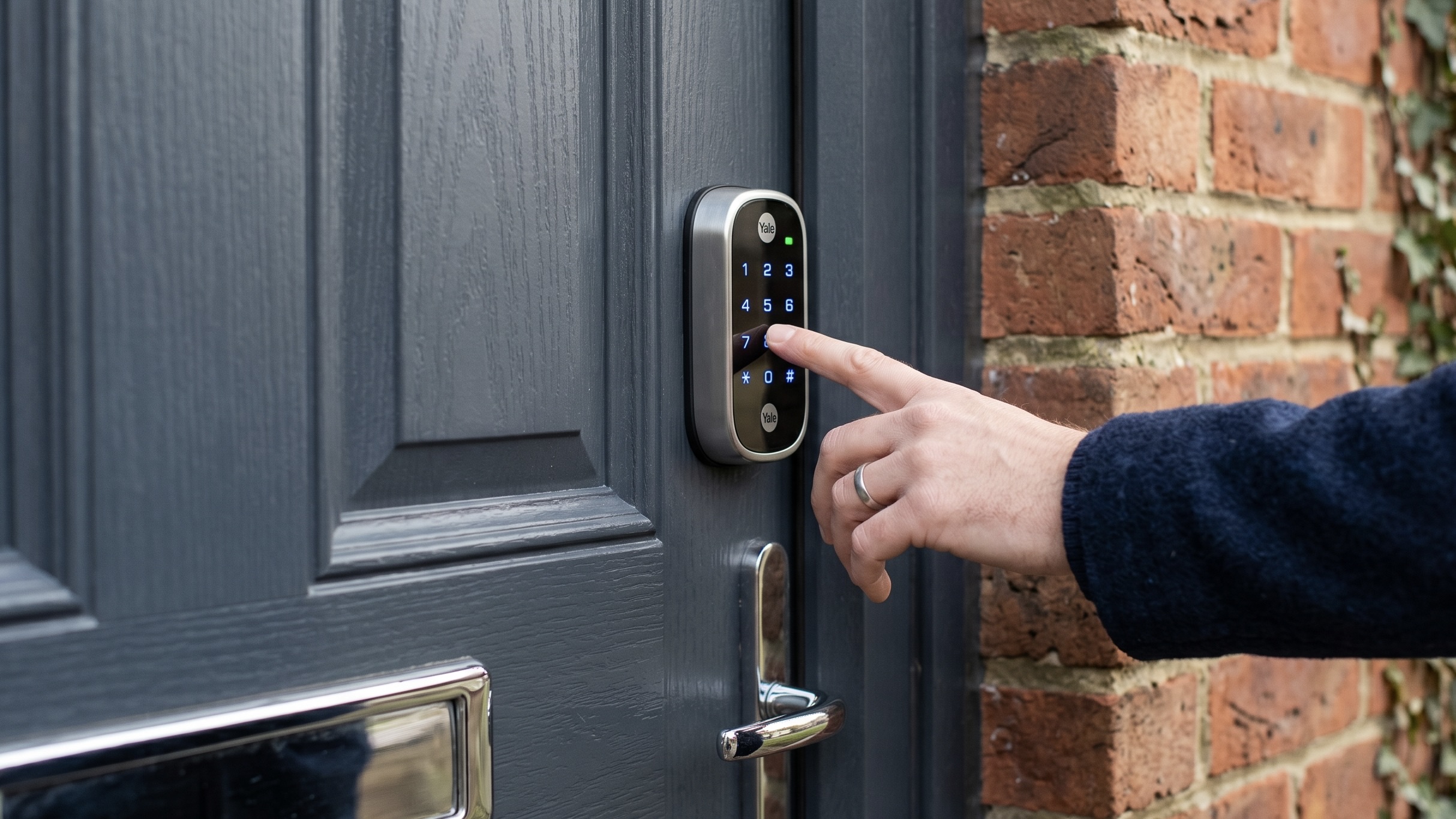
Smart integration is where modern security systems truly shine. By connecting your security hub to a smart home ecosystem, you gain the ability to control locks, cameras, lighting, and alarms from a single app. Many systems now integrate with voice assistants, allowing you to arm your system, check camera feeds, or lock doors with a simple voice command.
- Lock and unlock your front door remotely for deliveries or trusted visitors
- Receive instant alerts when someone approaches your property
- Create automated routines — lights turn on at dusk, system arms when you leave
- Grant temporary access codes to cleaners, dog walkers, or tradespeople
- View a full activity log showing every lock, unlock, and access event
- Integrate with smart lighting to simulate occupancy when you are away on holiday
Smart locks are particularly valuable for UK homeowners who receive frequent parcel deliveries. Rather than leaving packages on the doorstep, you can remotely unlock the door for a courier and watch via camera as they place the parcel inside, then lock the door again immediately. This level of control was impractical even five years ago but is now standard on mid-range and premium systems.
Get a Personalised Comparison
The tables above provide general guidance, but every property is different. Factors such as the number of entry points, whether you have a detached garage or outbuildings, your neighbourhood's crime statistics, and your household routines all influence which system delivers the best protection per pound. The most accurate way to compare is through a tailored assessment from a vetted installer who can survey your property in person.